Appraisal and valuation
01
Identification and origin
- Nature and function of the object
- Precise description
- Model or prototype
- Maker, artist or workshop
- Period and geographical origin
02
Materials
- Wood
- Bronze, copper, brass
- Silver and precious metals
- Porcelain, faience and ceramics
- Glass, crystal and other materials
03
Manufacture and technique
- Handcrafted or mass-produced
- Sculpting, carving, forging, casting, painting, enamelling
- Techniques and craftsmanship
- Tool and manufacturing marks
- Quality of workmanship
04
Rarity and interest of the piece
- Common or rare object
- Sought-after or uncommon model
- Identified artist or workshop
- Known or documented model
- Decorative, historical or collector’s interest
05
Condition and preservation
- Original condition
- Wear and ageing
- Patina, corrosion and oxidation
- Restorations or alterations
- Damage, missing parts and alterations
06
Authenticity and value
- Authenticity of the object
- Consistency between materials, period and technique
- Provenance and available documentation
- Quality and overall interest
- Valuation based on rarity and the market
What can be valued?
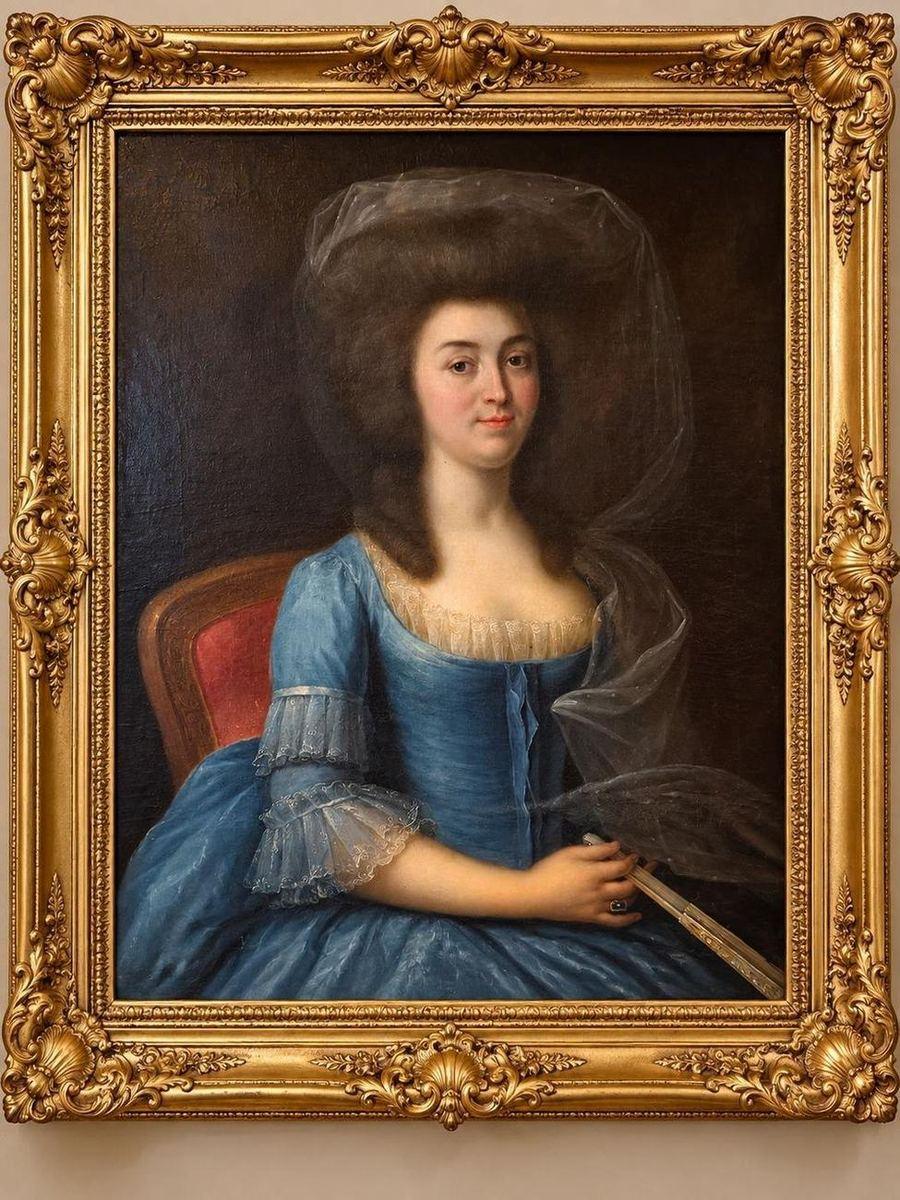
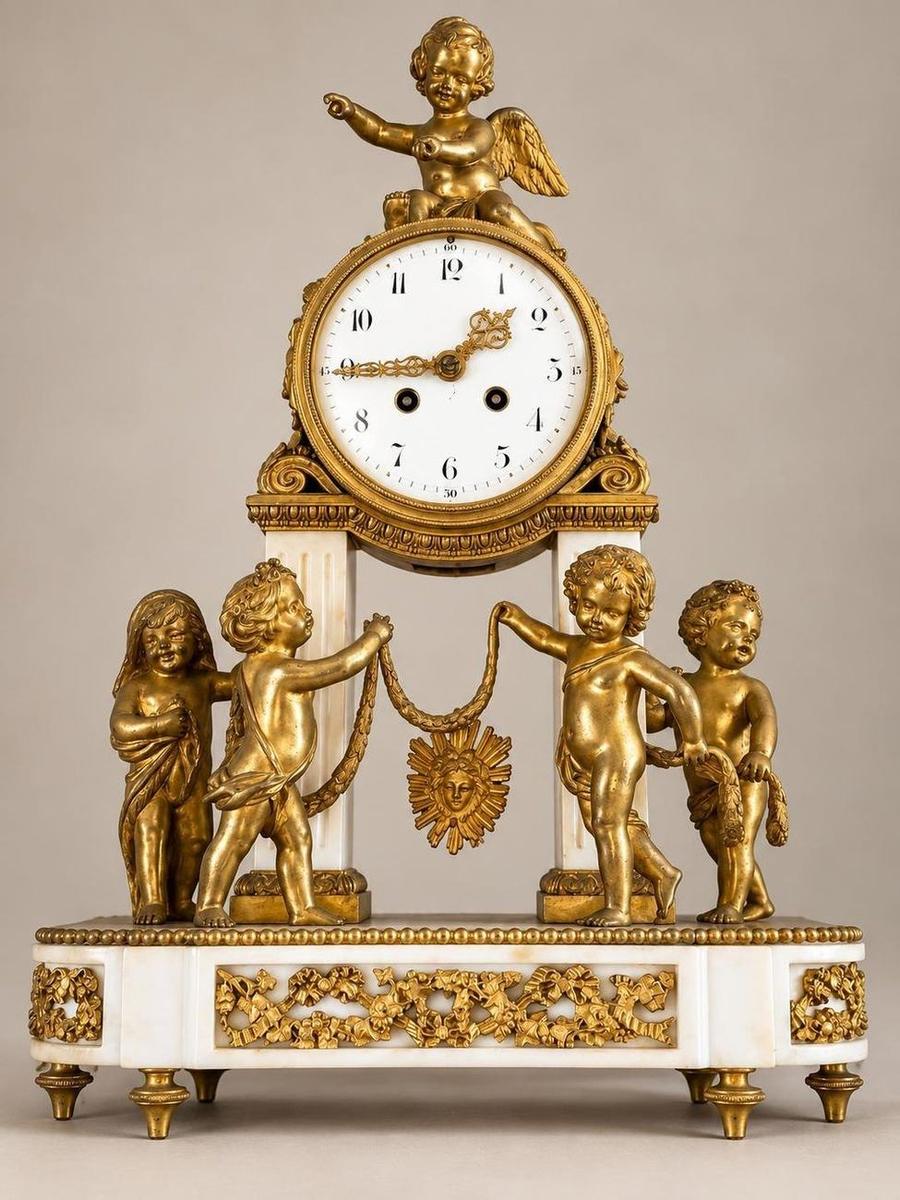
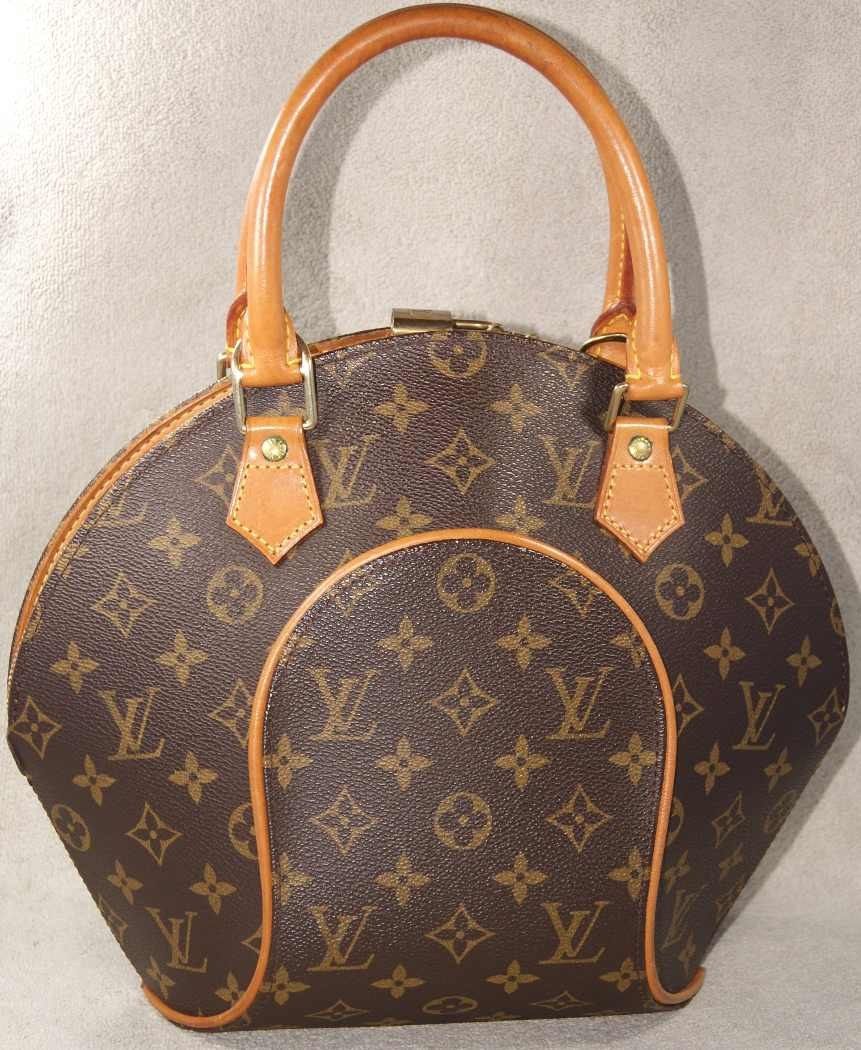
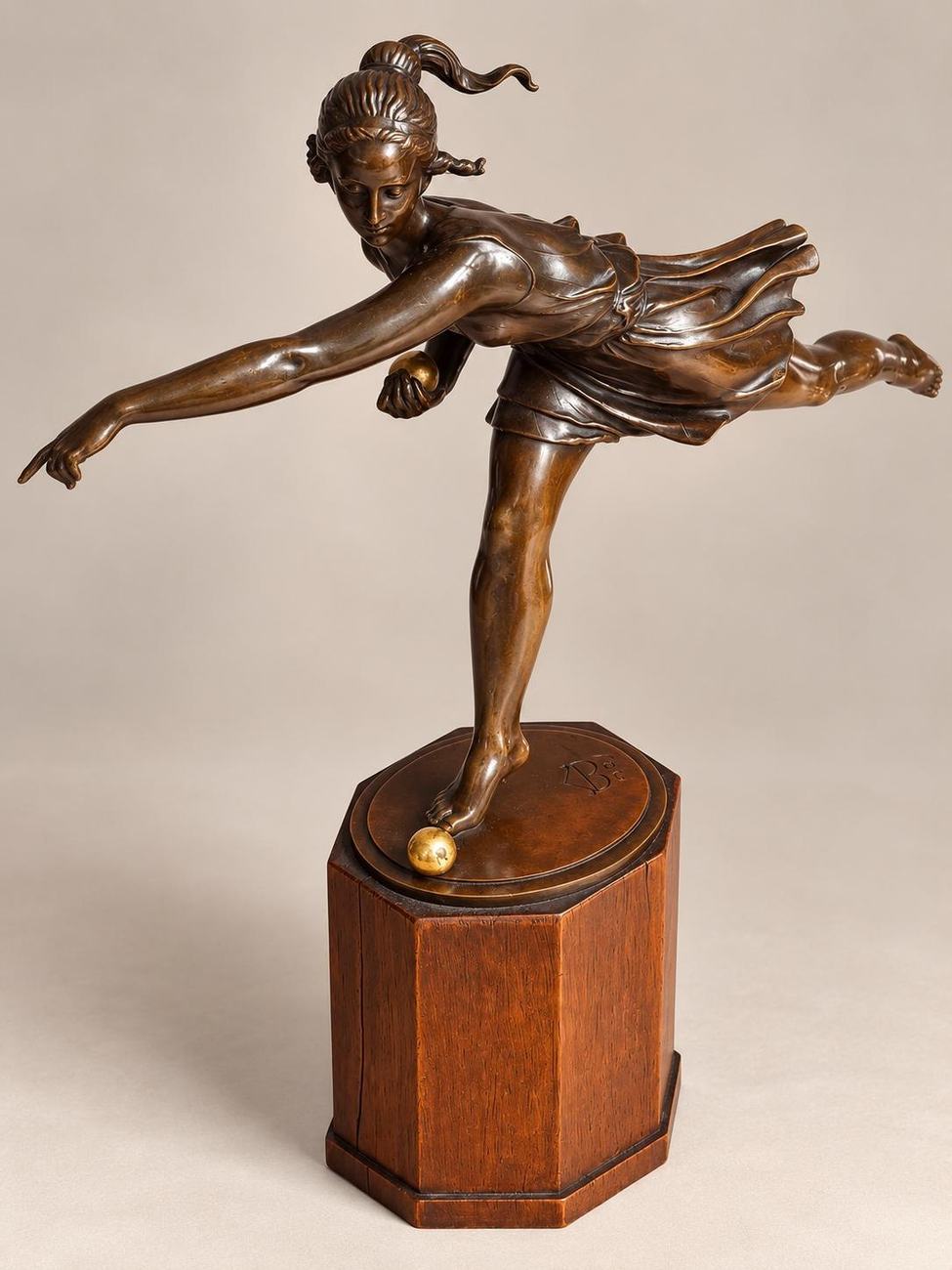
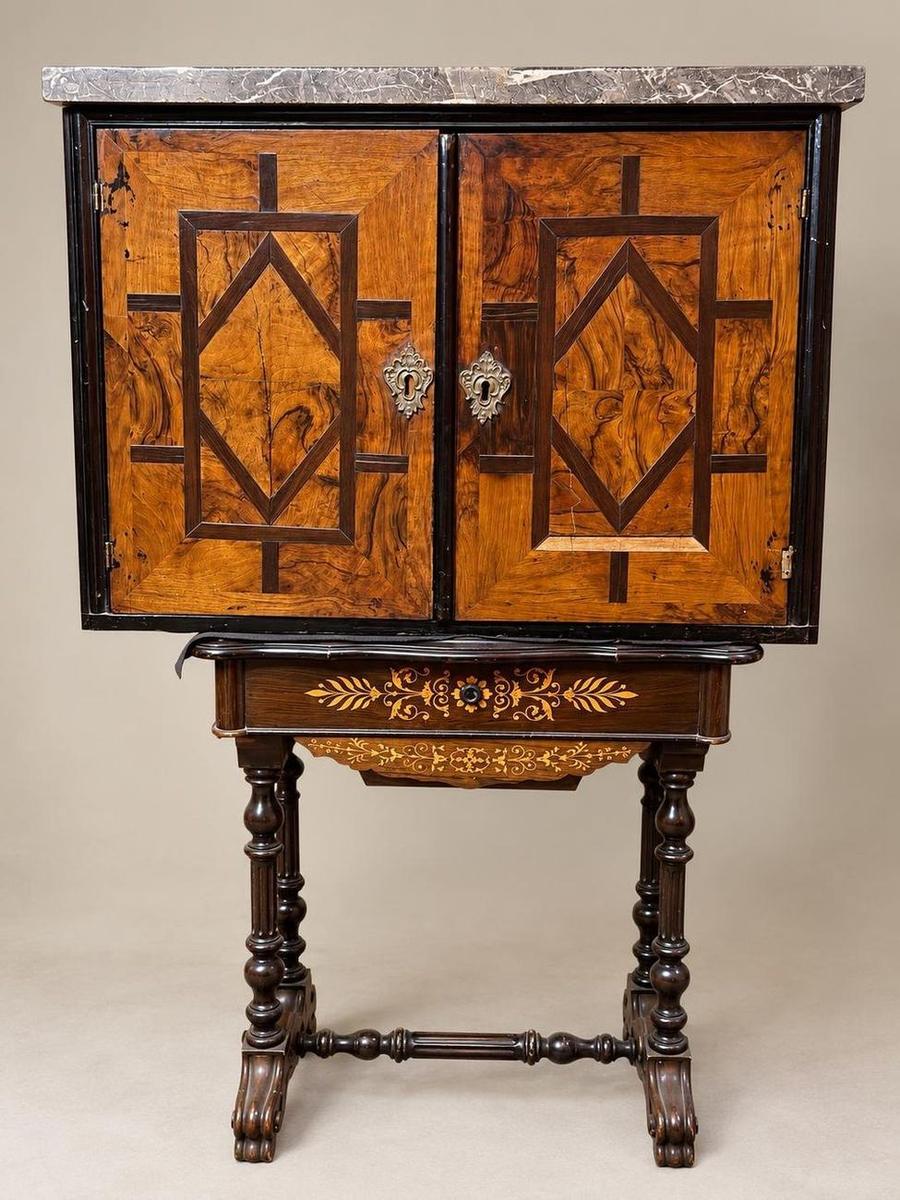
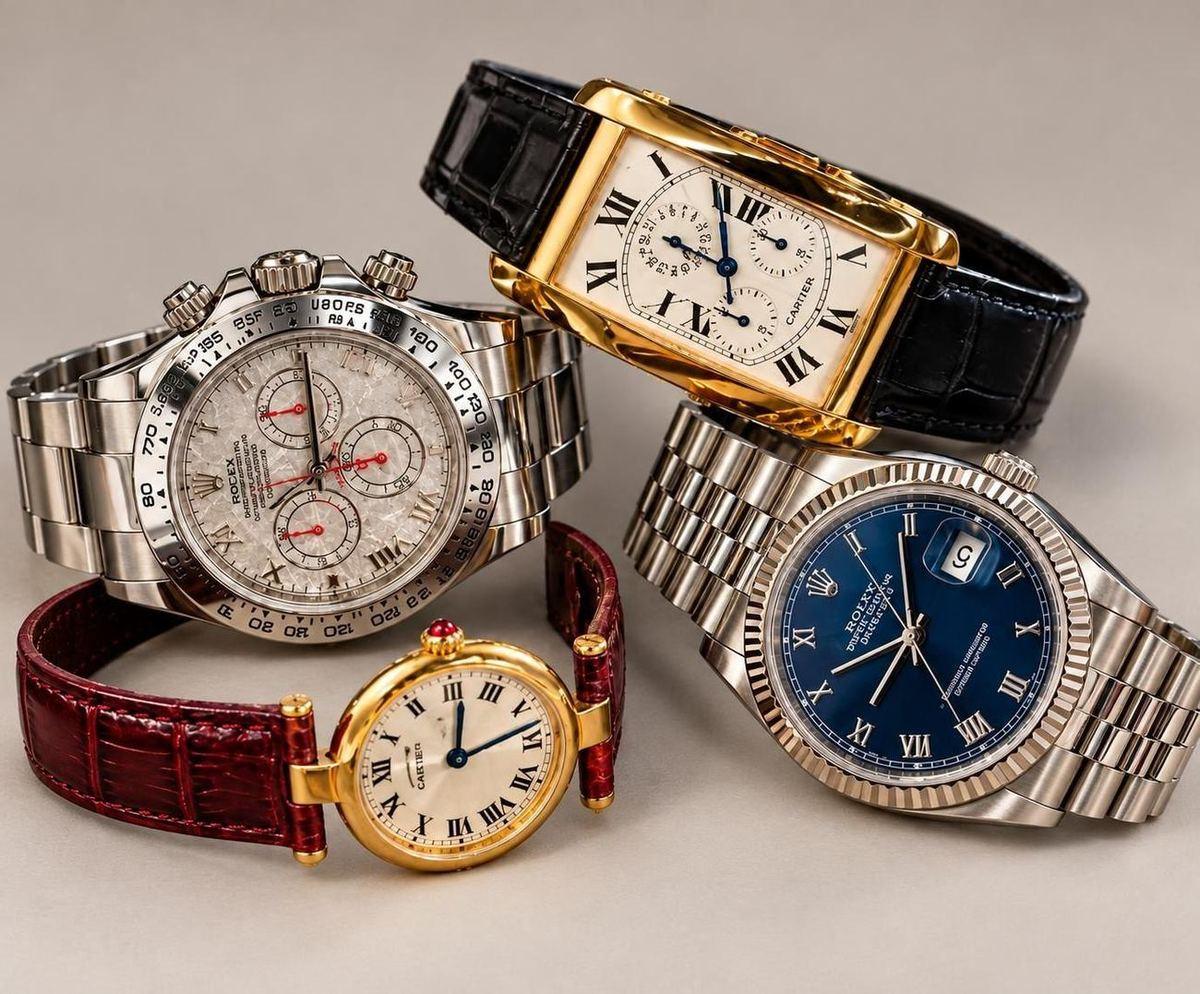
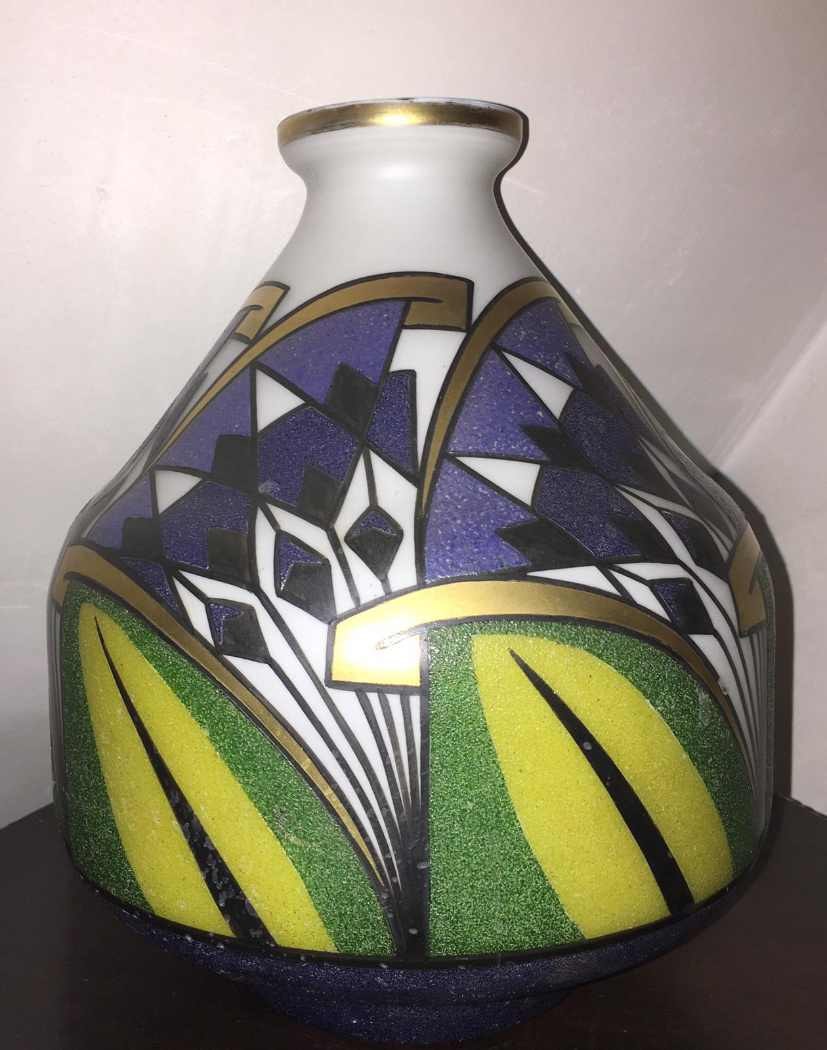
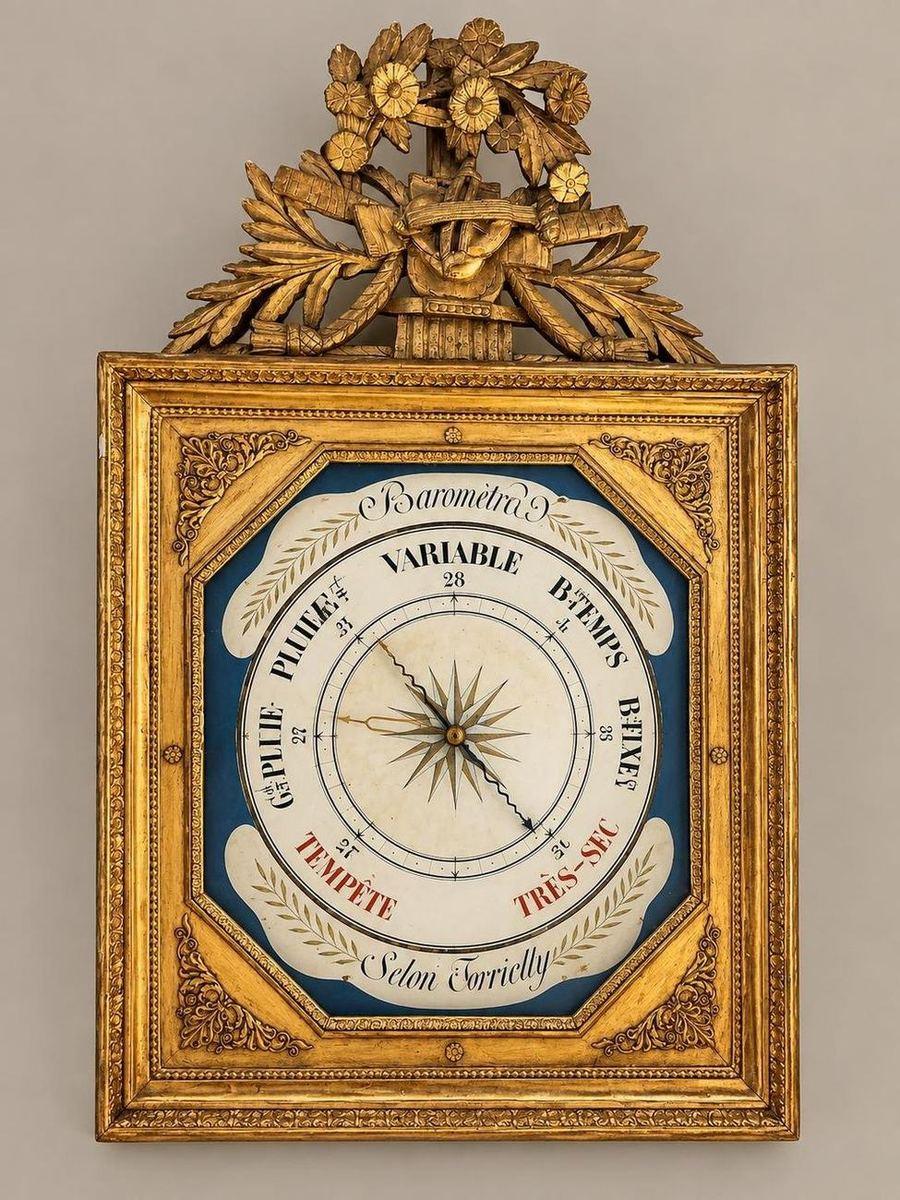
Paintings, porcelain, bronzes, furniture, decorative objects, design pieces, clocks and watches, antique jewellery and luxury accessories: I examine single items as well as whole collections. Information about period, origin, condition and provenance helps refine the valuation.
Purchase and travel
After identification and valuation, a cash purchase offer can be made. For large collections, a free visit can also be arranged.